Tag

skin health

A Black woman with natural makeup and healthy glowing skin, representing mindful skincare and self-care during menopause.
Health

Menopause Skincare: How to Care for Aging Skin Naturally

Menopause changes many things — including your skin. You may notice more dryness, dullness, sensitivity, or slower healing. What worked before may no longer give the same results.

The good news?
Healthy, glowing skin during menopause isn’t about doing more. It’s about doing the right things consistently.

Why Skin Changes During Menopause

As estrogen levels decline, the skin naturally produces less collagen and holds less moisture. This can lead to:

  • Dry or tight-feeling skin
  • Loss of glow
  • Increased sensitivity
  • Changes in texture

According to the Mayo Clinic, hormonal changes during menopause directly affect skin hydration and elasticity, making gentle, supportive care especially important.
👉 https://www.mayoclinic.org


A Natural Glow Is About Consistency + Smart Choices

You don’t need an overwhelming routine. A glow-friendly menopause skincare routine focuses on protection, hydration, and balance.

Your Glow Ingredients

  • Gentle cleansing → creates a fresh, clean base
  • Light exfoliation (2x per week) → removes dullness and buildup
  • Vitamin C serum → supports brightness and even tone
  • Layered hydration → serum + moisturizer for lasting moisture
  • Daily SPF → protection keeps your glow long-lasting

Extra glow tips:
Sleep well, drink plenty of water, and smile — real glow starts from within.


Keep Your Routine Simple

During menopause, skin often responds better to less, not more.

Morning Routine

  1. Gentle cleanser
  2. Vitamin C serum
  3. Moisturizer
  4. SPF (every day, even when it’s cloudy)

Evening Routine

  1. Gentle cleanser
  2. Hydrating serum or facial oil
  3. Moisturizer

Exfoliate just 1–2 times per week, and skip it if your skin feels irritated.


Amazon Product Picks (Affiliate-Friendly)

These are gentle, widely loved options that work well for menopausal skin.

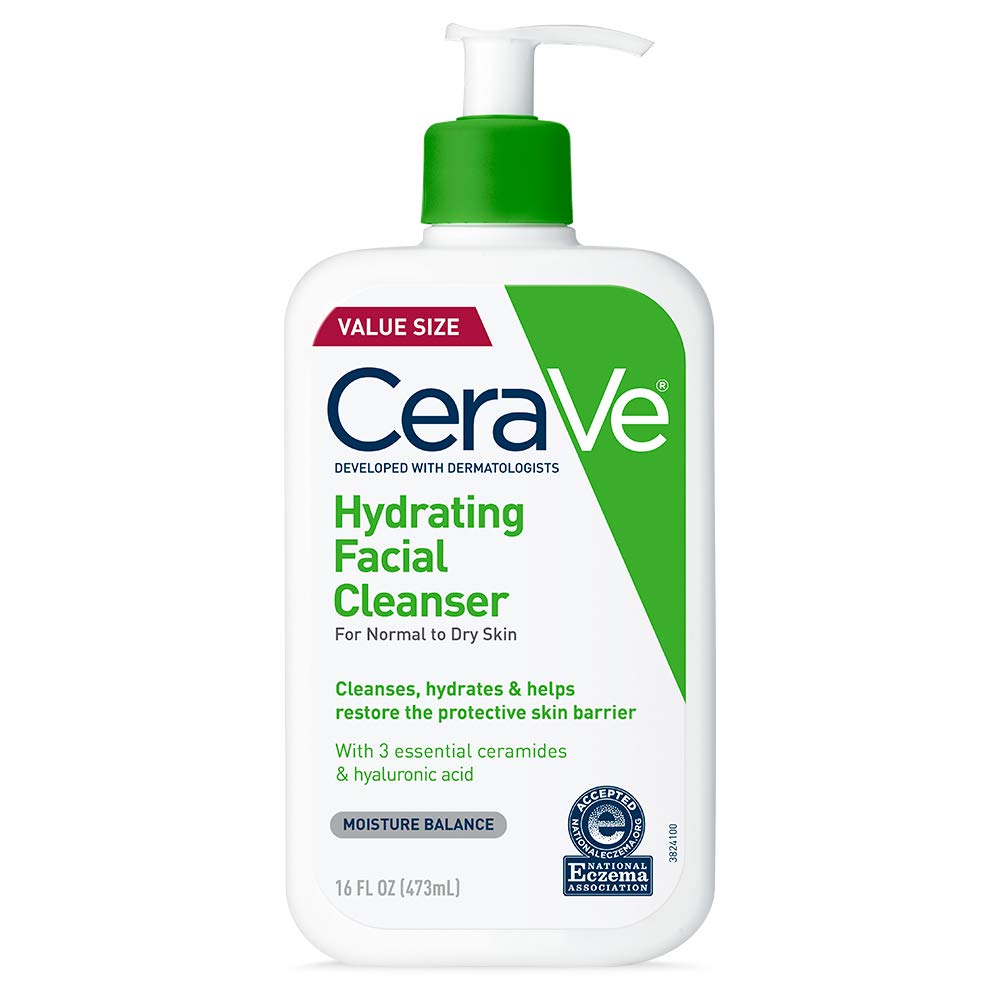
🌿 CeraVe Hydrating Facial Cleanser

  • Non-foaming and non-stripping
  • Contains ceramides + hyaluronic acid
  • Great for dry or sensitive skin

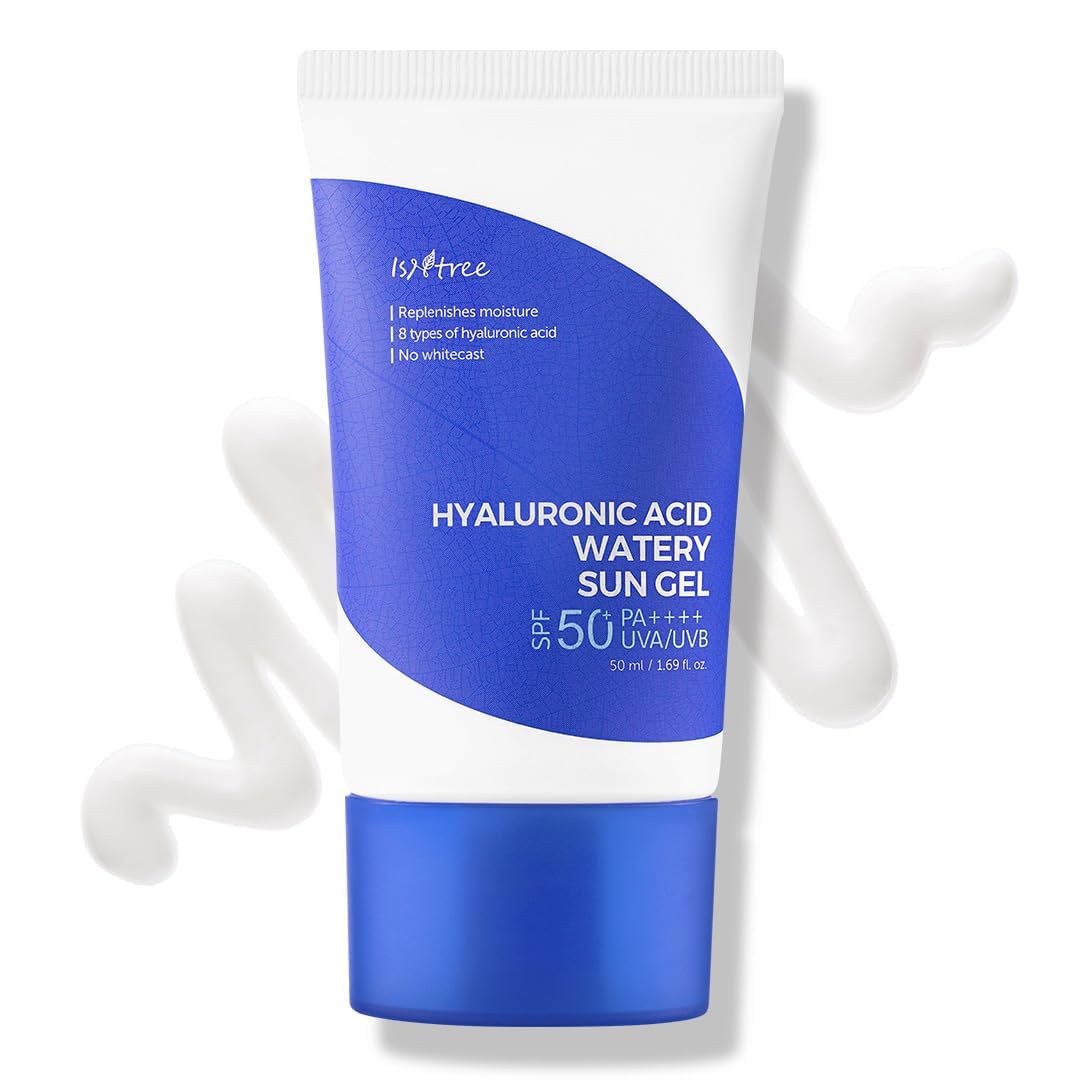
🌿 TruSkin Vitamin C Serum

  • Gentle vitamin C formula
  • Supports brightness and glow
  • Lightweight and easy to layer

(Add your Amazon affiliate links to the product names.)

As an Amazon Associate, I earn from qualifying purchases.


Skincare Is Part of Self-Care

Skin changes during menopause are not something to “fix.” They’re something to support. When you slow down, simplify, and listen to your skin, it often responds with balance and radiance.

The Greater Good Science Center also highlights how stress management, sleep, and self-care routines contribute to overall skin and body health.
👉 https://greatergood.berkeley.edu


Skin Care and Personal Growth Go Hand in Hand

Learning how to care for your skin during menopause often mirrors personal growth — honoring change, choosing alignment, and responding with patience instead of urgency.

If this resonates, you may also enjoy reading my previous reflection:
👉 Personal Growth Journey: Who I’m Becoming
(Update link if needed.)


Final Thoughts

Menopause doesn’t mean your glow is gone — it just means your skin needs something different now. With gentle care, smart choices, and consistency, healthy skin is still very much possible.

This season deserves nourishment, not pressure.

Skincare is a part of the Personal Development process: Personal Growth: Who I’m Becoming
African American woman in winter clothing shielding her eyes from sunlight breaking through cloudy skies
Health

A Nerdy Guide to Moles & Sun Safety

Because your skin deserved data, not guesswork.

Let’s get nerdy for a moment, in the best way possible.

Moles are incredibly common. Most adults have anywhere from 10-40 of them, and while the majority are harmless, they do tell a story about genetics, sun exposure, and how well we’ve protected our skin over time. The truth is, sun safety isn’t just a “hot summer day” concern. It matters in every type of weather; sunny, cloudy, windy, snowy, and even rainy.

Let’s break it down in a simple, science-meets-real-life way.

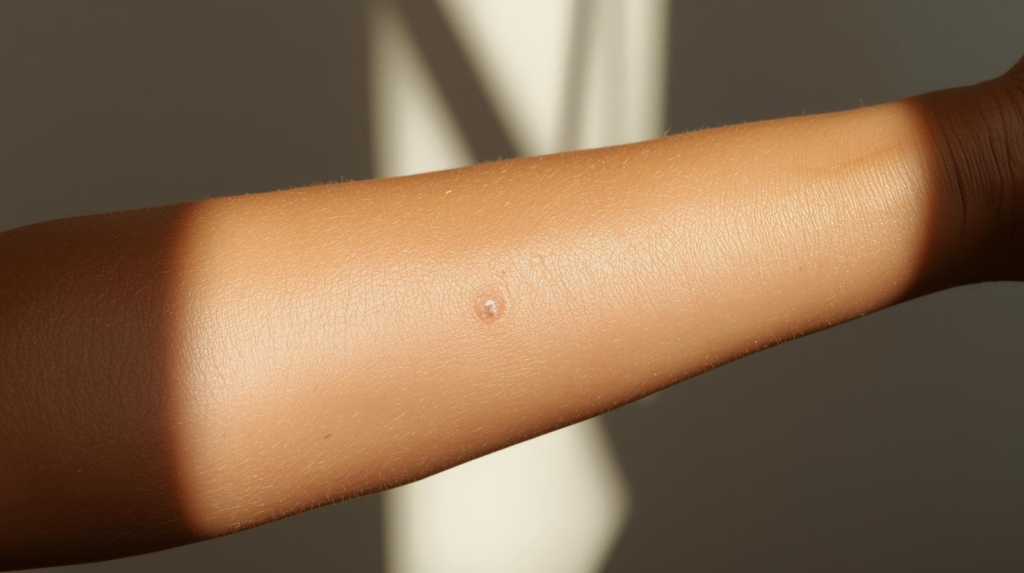
Close-up of an arm with a small natural mole visible on the skin in sunlight
Most moles are harmless, but regular skin checks help you notice changes early.

What Exactly Is a Mole?

A mole (medically called a nevus) is a cluster of pigment-producing cells called melanocytes. They can be flat or raised, light brown to dark black, and may appear anywhere on the body, including places that rarely see the sun.

Most moles are benign, but changes are what matter most.

The ABCDE Rule (Your Skin’s Cheat Code)

Use this quick check regularly:

  • A-Asymmetry: One half doesn’t match the other
  • B- Border: Irregular, jagged, or blurred edges
  • C.-Color: Multiple colors or uneven shading
  • D-Diameter: Larger than a pencil eraser (about 6mm(
  • E-Evolving: Changes in size, shape, color, or sensation

If a mole check even one of the boxes, it’s worth getting looked at.

Sun Safety in All Weather (This is Where People Slip Up)

☀️Sunny Days

This one’s obvious. UV rays are strongest between 10 a.m. and 4 p.m. Daily SPF 30+ is non-negotiable, even if you’re “just running errands.”

☁️Cloudy Days

Up to 80% of UV rays still penetrate clouds. If you can see daylight, your skin can still be affected. this is one of the biggest myths around sun safety.

🌬️Windy Days

Cool air tricks you into thinking the sun isn’t strong. Wind doesn’t block UV exposure, it just masks the heat. This is common during spring and fall.

🌧️Rainy Days

Rain blocks some UVB rays but UVA rays still get through, and those are the ones responsible for skin aging and long-term damage.

❄️Cold & Snowy Weather

Snow reflects up to 80-90% of UV rays, meaning your face and eyes get hit twice, from above and below. This is why skiers often experience severe sunburn.

Why Moles and Sun Exposure Are Linked

UV radiation can damage the DNA in skin cells. Over time, repeated exposure increases the risk of mutations, and that’s where skin cancers, including melanoma, can develop. People with more moles already have a higher baseline risk, which makes protection even more important.

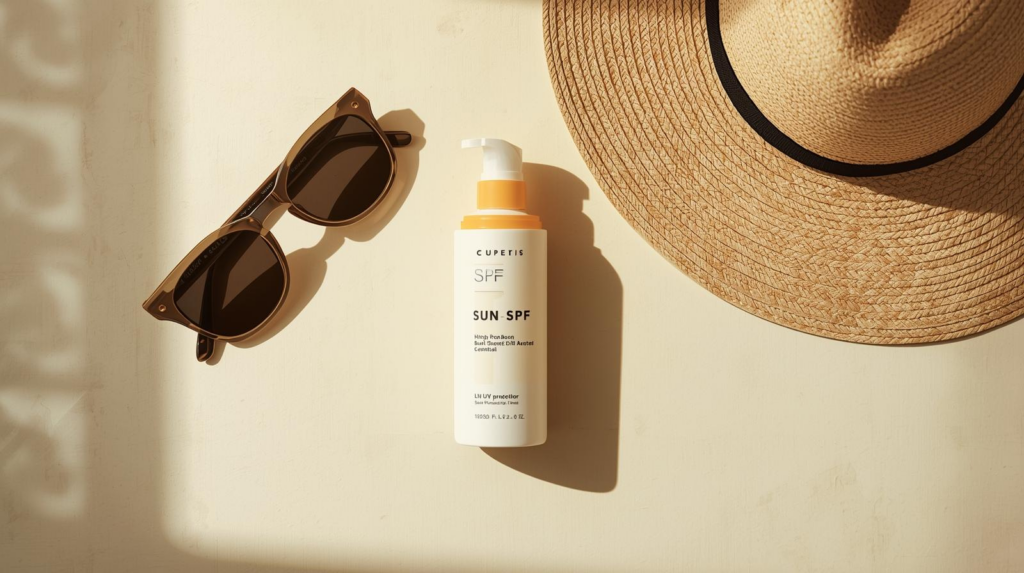
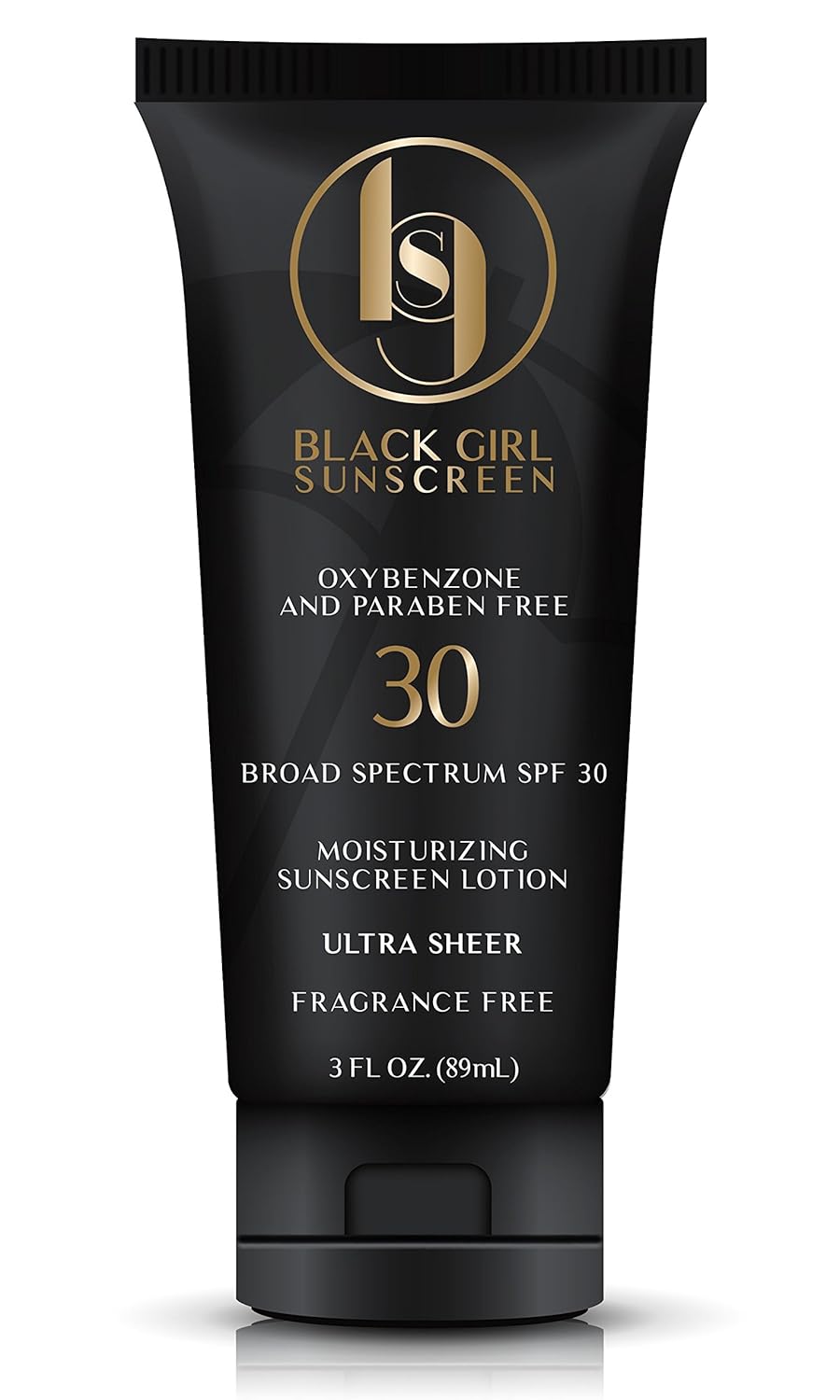
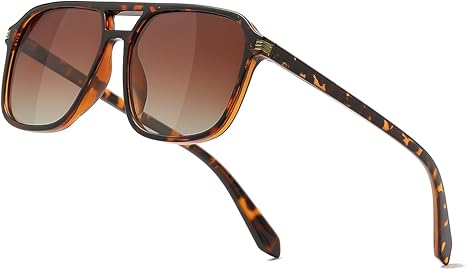
Flat lay of sunscreen, sunglasses, and a straw hat arranged on a neutral surface in sunlight
Simple sun protection tools that support healthy skin in every season.

Everyday Sun Safety (The Sustainable Way)

You don’t need to live like a vampire, just be consistent.

  • Broad-spectrum SPF 30+ daily (face, neck, ears, hands)
  • Reapply every 2 hours if outdoors
  • Wear hats and UV-protective sunglasses
  • Choose UPF clothing when possible
  • Do monthly self-skin checks

Think of sunscreen like brushing your teeth; boring, essential, and protective long-term.

Final Nerdy Note

Sun safety isn’t about fear. It’s about awareness. When you understand how your skin works, and how the sun interacts with it in every season, you make smarter, calmer choices.

Your future skin will thank you.

Related Topics:

Previous Blogs:

Menopause Skincare: How to Care for Aging Skin Naturally

Close