
Because your skin deserved data, not guesswork.
Let’s get nerdy for a moment, in the best way possible.
Moles are incredibly common. Most adults have anywhere from 10-40 of them, and while the majority are harmless, they do tell a story about genetics, sun exposure, and how well we’ve protected our skin over time. The truth is, sun safety isn’t just a “hot summer day” concern. It matters in every type of weather; sunny, cloudy, windy, snowy, and even rainy.
Let’s break it down in a simple, science-meets-real-life way.
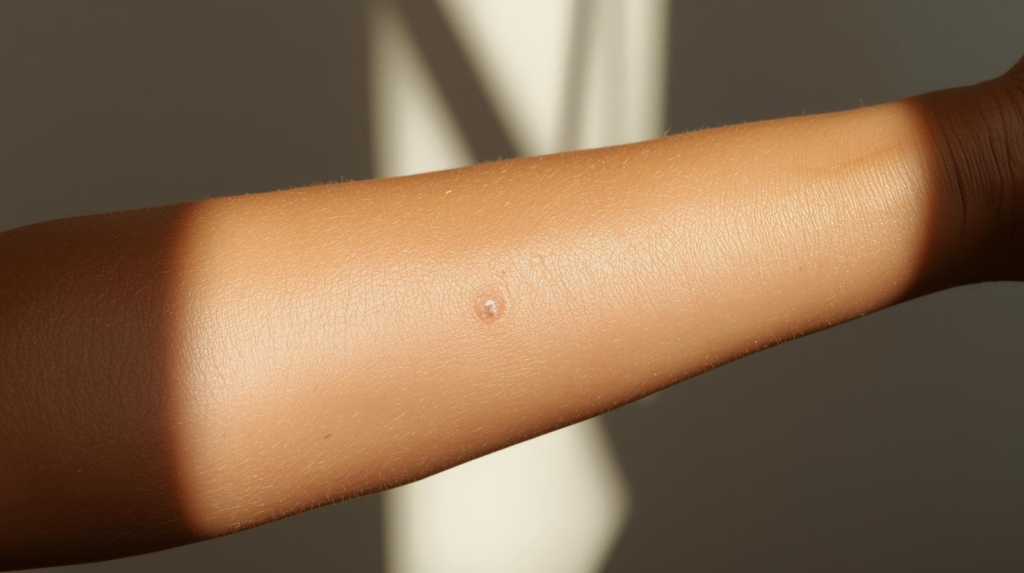
What Exactly Is a Mole?
A mole (medically called a nevus) is a cluster of pigment-producing cells called melanocytes. They can be flat or raised, light brown to dark black, and may appear anywhere on the body, including places that rarely see the sun.
Most moles are benign, but changes are what matter most.
The ABCDE Rule (Your Skin’s Cheat Code)
Use this quick check regularly:
- A-Asymmetry: One half doesn’t match the other
- B- Border: Irregular, jagged, or blurred edges
- C.-Color: Multiple colors or uneven shading
- D-Diameter: Larger than a pencil eraser (about 6mm(
- E-Evolving: Changes in size, shape, color, or sensation
If a mole check even one of the boxes, it’s worth getting looked at.
Sun Safety in All Weather (This is Where People Slip Up)
☀️Sunny Days
This one’s obvious. UV rays are strongest between 10 a.m. and 4 p.m. Daily SPF 30+ is non-negotiable, even if you’re “just running errands.”
☁️Cloudy Days
Up to 80% of UV rays still penetrate clouds. If you can see daylight, your skin can still be affected. this is one of the biggest myths around sun safety.
🌬️Windy Days
Cool air tricks you into thinking the sun isn’t strong. Wind doesn’t block UV exposure, it just masks the heat. This is common during spring and fall.
🌧️Rainy Days
Rain blocks some UVB rays but UVA rays still get through, and those are the ones responsible for skin aging and long-term damage.
❄️Cold & Snowy Weather
Snow reflects up to 80-90% of UV rays, meaning your face and eyes get hit twice, from above and below. This is why skiers often experience severe sunburn.
Why Moles and Sun Exposure Are Linked
UV radiation can damage the DNA in skin cells. Over time, repeated exposure increases the risk of mutations, and that’s where skin cancers, including melanoma, can develop. People with more moles already have a higher baseline risk, which makes protection even more important.
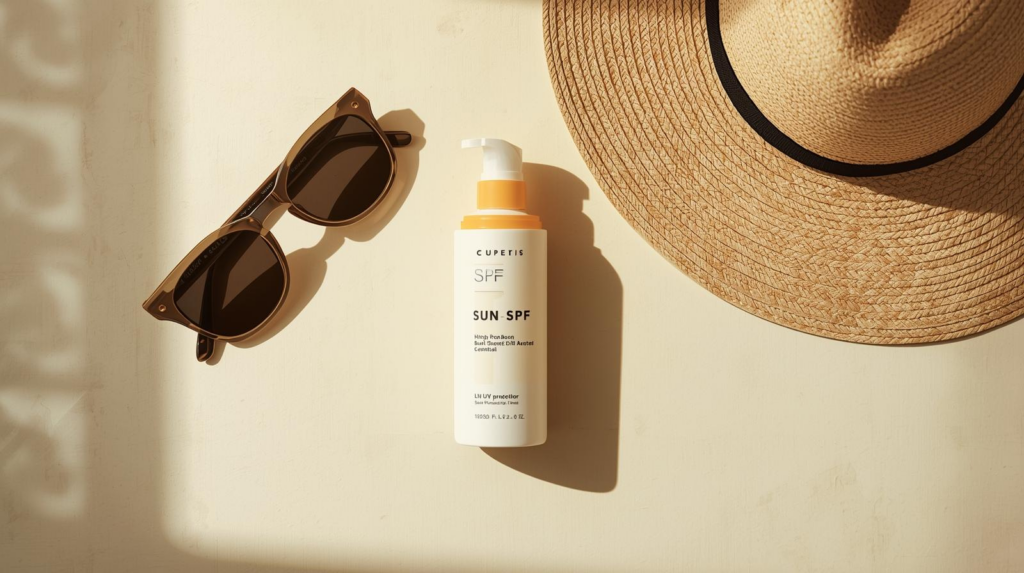
Everyday Sun Safety (The Sustainable Way)
You don’t need to live like a vampire, just be consistent.
- Broad-spectrum SPF 30+ daily (face, neck, ears, hands)
- Reapply every 2 hours if outdoors
- Wear hats and UV-protective sunglasses
- Choose UPF clothing when possible
- Do monthly self-skin checks
Think of sunscreen like brushing your teeth; boring, essential, and protective long-term.
Final Nerdy Note
Sun safety isn’t about fear. It’s about awareness. When you understand how your skin works, and how the sun interacts with it in every season, you make smarter, calmer choices.
Your future skin will thank you.


Related Topics:
- American Academy of Dermatology Association – Moles: Overview
- Medical News Today – Is it possible to get sunburn on a cloudy day?
- Skincare.com – 9 Common Skin Cancer Myths Debunked
Previous Blogs: